Last updated:
Key takeaways
- Around 55% of mid-term furnished rentals in Germany are work-related. Roughly 5.5% are fully company-paid and 49.4% are self-paying professionals who relocated for work, often with a company allowance.
- Corporate housing must be booked under a proper residential Mietvertrag: not a holiday rental agreement. The employee needs this to carry out Anmeldung (address registration), which is legally required within two weeks of arrival.
- All-inclusive Warmmiete pricing is essential for HR budgeting: one monthly figure covers rent, heating, hot water, and utilities. No separate energy or internet contracts are needed.
- Typical corporate housing stays in Germany last 3 to 6 months: long enough to settle in, short enough to remain flexible while a permanent flat is found.
- Median all-inclusive rents for furnished mid-term apartments range from 1,100 EUR/month in Leipzig to 1,650 EUR/month in München.
- Wunderflats offers corporate accounts with consolidated invoicing: useful for HR teams managing multiple relocations.
Quick answer
Corporate housing in Germany means a furnished, move-in-ready apartment booked under a proper Mietvertrag, with all-inclusive pricing and the right to register the employee's official address. The best way to find it: use a platform like Wunderflats, confirm Anmeldung is possible, and verify the price is Warmmiete. Typical stays run 3 to 6 months at a median cost of 1,100 to 1,650 EUR per month depending on city.
What corporate housing is (and is not)
Corporate housing is furnished temporary accommodation arranged for employees who are relocating to, or working on assignment in, Germany. It is not a hotel room, not a serviced apartment in the hospitality sense, and not a short-term holiday rental. It is a proper residential apartment, ready to move into immediately, rented under a residential Mietvertrag for a defined period: typically 1 to 12 months.
The distinction matters legally. A residential Mietvertrag gives the employee the right to carry out Anmeldung: registering their official German address: which is a legal requirement for anyone living in Germany for more than two weeks. Holiday rentals and serviced hotel-style accommodation do not offer this right. Without Anmeldung, the employee cannot open a German bank account, obtain a tax ID, or access most government services. These are not minor inconveniences: they affect payroll, taxation, and access to healthcare.
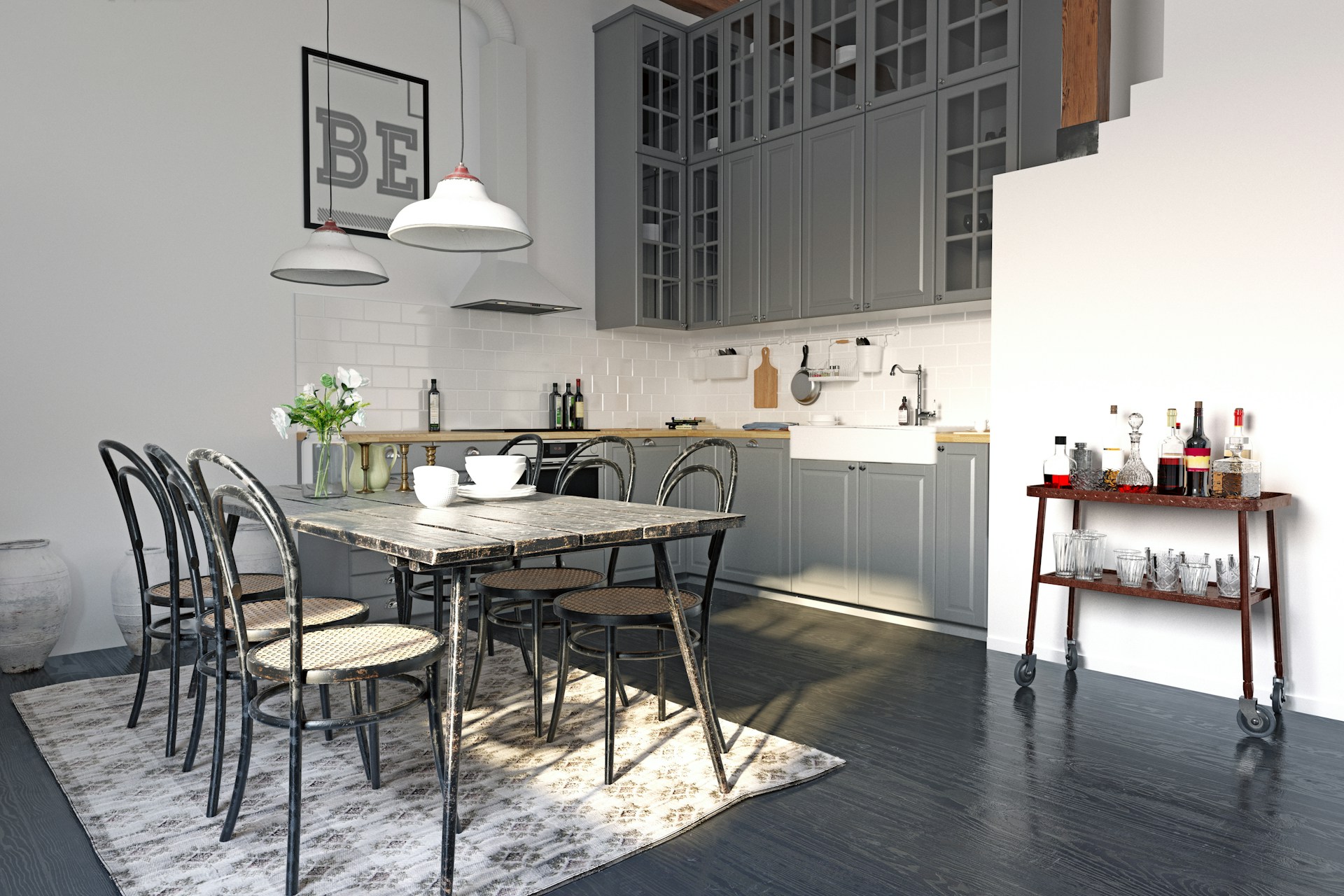
Corporate housing on Wunderflats is fully furnished (bed, sofa, kitchen, appliances), priced as all-inclusive Warmmiete (heating and utilities included), and comes with a standard residential Mietvertrag that supports Anmeldung.
Who uses corporate housing in Germany: the data
Work-related demand dominates the furnished mid-term rental market in Germany. This is not an assumption: Wunderflats booking data from June 2025 to May 2026 shows a clear picture.
Wunderflats data: who rents furnished mid-term apartments in Germany
- 49.4%: Self-paying professionals, work relocation
- 5.5%: Fully company-paid work relocation
- 13.7%: Self-paying students
- 20.8%: Self-paying, temporary housing need
- 4.0%: Self-paying interns
Source: Wunderflats internal data (BigQuery), Jun 2025–May 2026. Figures cover furnished mid-term apartments booked across 8 major German cities.
Combined, approximately 55% of mid-term furnished bookings in Germany are work-related. The majority of these are self-paying employees who have relocated for a job, often supported by a company housing allowance. The 5.5% who are fully company-paid represent direct corporate bookings where the employer handles the contract and invoicing directly.
For HR and mobility teams, this means a significant portion of the furnished rental market in Germany is designed around, and experienced in serving, corporate relocation needs.
How to find corporate housing in Germany: step by step
Step 1: Define the housing brief
Before searching, confirm: the employee's arrival date and city; the required duration (even an estimate); the number of bedrooms; whether a home office setup matters; and whether the company will pay directly or provide an allowance. A clear brief saves significant back-and-forth with landlords and platforms.
Step 2: Choose a platform suited to corporate rental
Use a platform that specialises in furnished mid-term residential rentals rather than holiday accommodation. Wunderflats, Homelike, and Nestpick all focus on furnished 1–12 month rentals with residential contracts. This matters: holiday platforms like Airbnb may surface attractive-looking options that do not offer Anmeldung and are not legally suitable for residential use.
Step 3: Verify the legal essentials
Before booking, confirm three things. First: the landlord will provide a proper residential Mietvertrag (not a short-term or holiday rental agreement). Second: Anmeldung is possible and the landlord will provide a Wohnungsgeberbestätigung (landlord confirmation form needed for address registration). Third: the price quoted is Warmmiete with all utilities included, so there will be no separate energy or internet contracts to set up.
Step 4: Review the contract carefully
Check the start and end dates, the deposit amount (legally capped at three months' Kaltmiete in Germany), the notice terms, and whether there are any restrictions on subletting or guests. If the company is the contracting party (rather than the individual employee), confirm this is allowed under the contract and that the employee's name can be on the Wohnungsgeberbestätigung for Anmeldung purposes.
Step 5: Book and arrange first-week essentials
Confirm the key handover process. Ensure the employee knows how to book their Anmeldung appointment (many Bürgerämter now require advance booking). Confirm internet is active on day one if the employee needs it for remote work. On Wunderflats, the listing clearly states what is included and when it is available: no surprises on arrival day.
Platforms and providers for corporate housing in Germany
The market for furnished mid-term corporate accommodation in Germany has a clear tier structure.
Specialist furnished rental platforms
- Wunderflats: Germany's leading platform for furnished mid-term apartments. Residential contracts, Anmeldung guaranteed, all-inclusive Warmmiete pricing. Corporate accounts available for HR teams managing multiple relocations. All listings are verified by Wunderflats before going live.
- Homelike: Focuses on furnished business apartments for extended stays. Targets HR and mobility teams directly. Listings in major German cities and across Europe.
- Nestpick: Aggregates listings from multiple providers. Useful for comparison but quality varies: verify legal documentation before booking.
Relocation agencies
For larger relocation programmes or senior executives, relocation agencies (such as Dwellworks, Crown Relocations, or local German providers like FARAWAYHOME) manage the entire housing process: property search, contract review, move-in support, and Anmeldung assistance. They charge a fee but reduce the HR team's workload significantly for complex or high-value relocations.
Direct landlord arrangements
Some companies maintain direct relationships with landlords or property management companies for recurring relocations to specific cities. This can reduce costs over time but requires HR capacity to manage the relationship, vet properties, and handle contract renewal.
Legal checklist: what to verify before booking
This checklist applies whether the HR team is booking directly or the employee is arranging accommodation with a company allowance.
- Proper Mietvertrag: The contract must be a residential rental agreement under German tenancy law. Not a tourism agreement, holiday booking, or licence to occupy.
- Anmeldung support: The landlord must provide a Wohnungsgeberbestätigung when the employee registers their address. This is a legal obligation on the landlord under §19 Bundesmeldegesetz.
- Warmmiete pricing: All utilities (heating, hot water, electricity, building services) should be included in the monthly rent. This makes HR budgeting clean and predictable.
- Deposit terms: German law caps the deposit at three months' Kaltmiete (§551 BGB). If a landlord requests more, this is a legal breach. The deposit must be held in a separate account and returned within a reasonable period after tenancy end.
- Invoice capability: If the company is paying directly, confirm the landlord can issue a formal Rechnung (invoice) addressed to the company. This is needed for VAT reclaim and expense management.
- Berlin Zweckentfremdungsverbot: Berlin has strict rules on using residential apartments for short-term purposes. Any stay under 90 days in Berlin now falls under tight permit requirements. Corporate housing stays of 90 days or more avoid this issue and use standard residential contracts. Always book through a registered provider for Berlin.
What employees should ask for when arriving
Whether the company has arranged housing or provided an allowance, employees arriving in Germany for a corporate relocation should confirm the following before or on arrival.
- Is Anmeldung possible at this address? Essential. Get the Wohnungsgeberbestätigung from the landlord within the first few days and book a Bürgeramt appointment (often several weeks' wait in major cities: book early).
- Is the price Warmmiete? Confirm there are no additional utility bills coming. A mid-stay surprise electricity bill is avoidable if this is clarified upfront.
- Is broadband included and active? Remote workers cannot function without this. Confirm before signing, not after moving in.
- What is the exact notice period? Even with a defined end date, many contracts include a mutual early termination clause. Know when you can leave early and what notice is required.
- Who is the contact for maintenance issues? In a Wunderflats booking, this is handled through the platform. For direct arrangements, ensure a clear contact is in place before the employee arrives.
- Negotiating a housing allowance: If your company offers a lump-sum housing allowance rather than direct booking, use published median rents (see below) as the basis for negotiating a realistic amount. In München, the median furnished rent is 1,650 EUR/month: an allowance set significantly below this will create real difficulty finding suitable accommodation.
City budgets: what corporate housing costs in Germany
The figures below are all-inclusive Warmmiete for furnished mid-term apartments across Germany's major business cities. These are the real prices paid by tenants booking on Wunderflats between June 2025 and May 2026.
| City | Average rent/month | Median rent/month | Median stay |
|---|---|---|---|
| München | 1,815 EUR | 1,650 EUR | 3.9 months |
| Hamburg | 1,658 EUR | 1,590 EUR | 3.6 months |
| Berlin | 1,591 EUR | 1,490 EUR | 3.2 months |
| Köln | 1,481 EUR | 1,400 EUR | 3.5 months |
| Frankfurt am Main | 1,472 EUR | 1,300 EUR | 3.0 months |
| Düsseldorf | 1,328 EUR | 1,250 EUR | 3.0 months |
| Stuttgart | 1,316 EUR | 1,250 EUR | 3.7 months |
| Leipzig | 1,186 EUR | 1,100 EUR | 3.0 months |
Source: Wunderflats internal data (BigQuery), Jun 2025–May 2026. All-inclusive Warmmiete for furnished mid-term apartments.
For HR budget planning: use the median rather than the average as your planning figure for a typical one- or two-person rental. The average is pulled upward by large or premium apartments. For a typical corporate relocation for a single professional, the median reflects the realistic market price.
A three-month stay at median cost works out to: 4,950 EUR in München, 4,770 EUR in Hamburg, 4,470 EUR in Berlin, and 3,300 EUR in Frankfurt or Leipzig. These figures are all-inclusive. Compare them against the cost of hotel accommodation for the same duration, and the financial case for mid-term furnished apartments over serviced hotel rooms becomes clear.
Why Wunderflats works for corporate housing
Wunderflats was built specifically for furnished mid-term residential rentals in Germany. This makes it well suited to corporate use cases, for three reasons.
- Legal contracts as standard: Every booking on Wunderflats uses a proper residential Mietvertrag. Anmeldung is possible on every listing. The landlord is obligated to provide a Wohnungsgeberbestätigung. These are not optional features: they are built into the platform.
- All-inclusive Warmmiete: Every listed price is all-inclusive. HR teams can budget with confidence. There are no utility surprises mid-stay.
- Verified quality: Wunderflats verifies listings before they go live. Photographs are accurate, amenities listed are present, and the property standard meets the platform's requirements. This reduces the risk of an employee arriving to find the apartment does not match what was advertised.
- Corporate accounts: For companies managing multiple relocations, Wunderflats offers corporate accounts with consolidated invoicing and dedicated support. This simplifies procurement and expense management.
- City coverage: Wunderflats has active listings in all eight major German cities covered in this guide, as well as many smaller cities. For most corporate relocation destinations in Germany, listings are available.
Frequently asked questions
What is corporate housing in Germany?
Corporate housing is furnished temporary accommodation arranged for employees who are relocating to or working on assignment in Germany. It is a fully equipped residential apartment rented under a proper Mietvertrag for 1 to 12 months, with all-inclusive pricing. The key legal requirement is that it supports Anmeldung: address registration: which is mandatory for anyone living in Germany for more than two weeks.
Who pays for corporate housing: the company or the employee?
Both models exist. In 5.5% of Wunderflats mid-term bookings in Germany, the company pays directly. In 49.4%, a self-paying professional relocating for work pays from their own income: often supported by a company housing allowance. The arrangement depends entirely on the company's relocation policy. Source: Wunderflats internal data (BigQuery), Jun 2025–May 2026.
What is Anmeldung and why does it matter for corporate housing?
Anmeldung is the mandatory registration of your official residential address at the local Einwohnermeldeamt (residents' registration office). German law requires everyone living in Germany for more than two weeks to register. Without Anmeldung, an employee cannot open a German bank account, obtain a German tax ID (Steuer-ID), or access many government services. Corporate housing arranged under a proper Mietvertrag supports Anmeldung. Holiday rentals and serviced hotel rooms do not.
What is Warmmiete and why should HR teams insist on it?
Warmmiete (warm rent) is the total monthly payment including rent, heating, hot water, and building services. It is the all-in figure. The alternative is Kaltmiete (cold rent), which is the base rent without utilities. For a short-to-medium corporate stay, a Warmmiete contract is strongly preferable: the employee does not need to set up electricity or gas contracts, there are no variable bills, and the HR team can budget a fixed monthly amount with certainty.
Does an employee need a Schufa score for corporate housing in Germany?
Often not, or it is less strictly applied than in the long-term unfurnished rental market. Many corporate housing providers on Wunderflats are accustomed to international tenants without German credit history. Alternatives include a company booking confirmation, proof of employment or contract, or an increased deposit. This is one of the practical advantages of furnished mid-term rentals for newly arrived employees who have not yet had time to build a German Schufa history.
Are there special rules for corporate housing in Berlin?
Yes. Berlin has a strict Zweckentfremdungsverbot (prohibition on misuse of residential space) that was tightened in 2026. Stays under 90 days in residential apartments in Berlin require a permit from the Bezirksamt. Stays of 90 days or more use a standard residential rental contract and are not affected by these rules. For corporate housing in Berlin, always book through a registered platform like Wunderflats and confirm the stay duration will be at least 90 days, or that the provider holds the necessary permit for shorter stays. Source: Relokate HR, Berlin Rental Restrictions 2026.
Sources
- Wunderflats internal data (BigQuery), Jun 2025–May 2026: tenant profiles, city rents, booking durations, 8 major German cities
- Relokate HR: Berlin Rental Restrictions 2026: Short-Term Permits and Employer Guide
- Relokate HR: Employee Relocation Cost Germany 2026: Budget Guide for HR Teams
- FARAWAYHOME: Corporate Housing Germany
- Zeitwohnen: Corporate Housing in Cologne, Bonn and Essen
- Bundesmeldegesetz §19: landlord obligation to provide Wohnungsgeberbestätigung, gesetze-im-internet.de
- Bürgerliches Gesetzbuch §551: deposit cap, gesetze-im-internet.de